

 Folding boxes





 Shipping boxes





 Stand-up pouch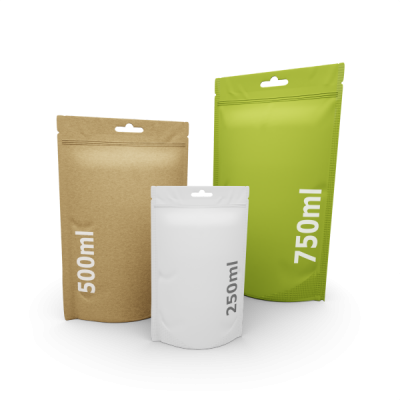


.png) Roll labels
Roll labels 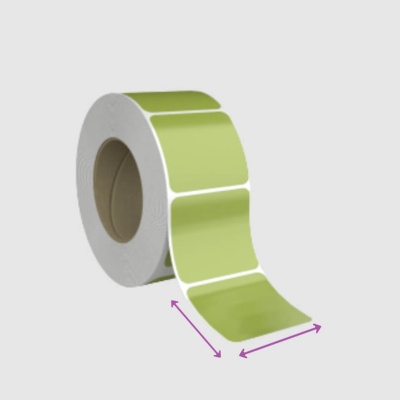


 Paper cans
  Sample boxes
 Folding boxes are three-dimensional packaging that varies in design depending on the industry, product and application. The most common folding boxes have four sides and are suitable for use as standard product packaging, e.g. for medicines, food or cosmetics. A folding box consists of several components, such as a base, a lid, a body, adhesive surfaces and, for example, additional viewing windows or perforations.
These folding box components are virtually unlimited, and their composition is described across all industries in the ECMA catalogue. This catalogue alone lists over 200 box types and over 45 different closures and auxiliary devices.
Special box types are available for the following products, for example:
- Counter display for the point of sale
- Cushion box as gift packaging
- Folding box with Euro slot hanger
- Folding box full overlap (for gluing in automatic packaging machines)
- Wrap-around packaging for bottles, tins, cups and jars, for example