
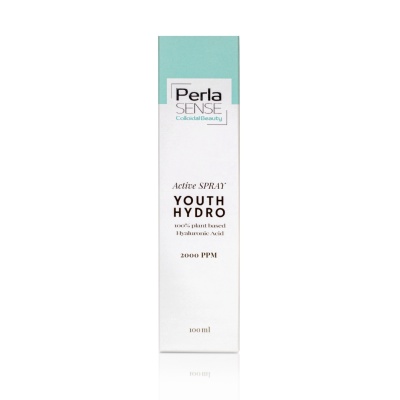
 Folding boxes
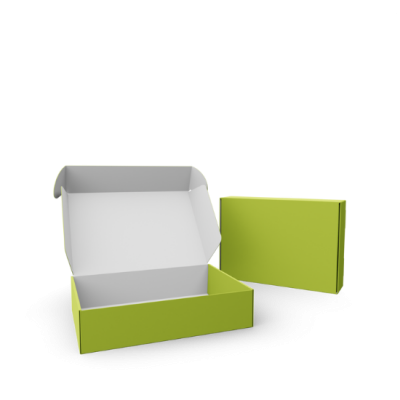
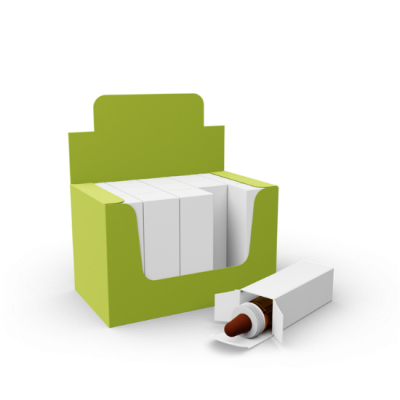



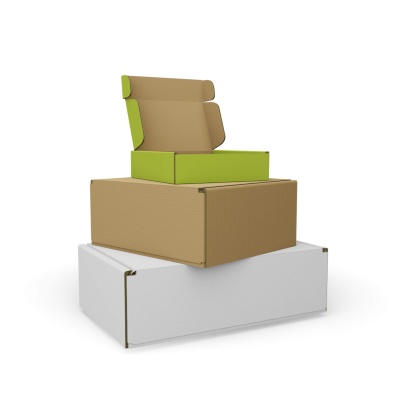 Shipping boxes



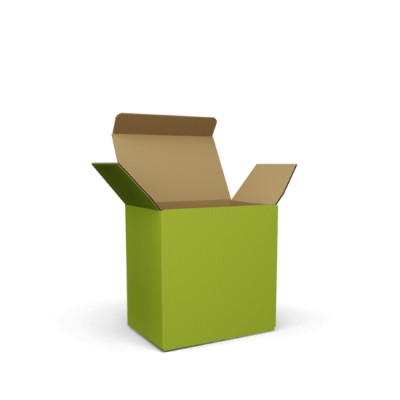

 Stand-up pouch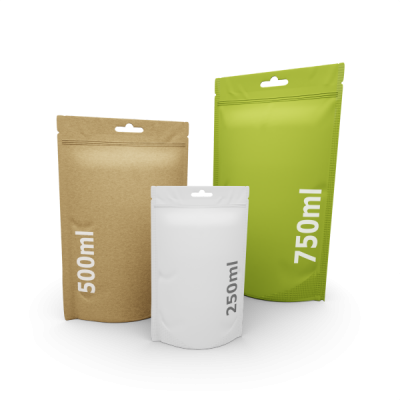

.png) Roll labels
Roll labels 


 Paper cans
  Sample boxes
 The printing process is the first stage of production in the creation of a finished folding carton. The main printing technologies used for folding carton printing are digital printing and offset printing. With both technologies, a wide variety of folding carton boards are printed flat. Depending on the sheet format, several individual folding carton motifs are printed on one printing sheet. This is also referred to as collective printing or optimised plate distribution.
Offset printing
Offset printing is particularly suitable for larger quantities. The initial costs for printing plates, the comparatively long set-up processes and the higher machine hourly rates make printing smaller runs less economical. The high machine speeds and large sheet formats of offset printing machines make printing large runs all the more interesting. Due to the wide range of different offset printing inks available, this printing process can also be used to produce packaging for direct food contact or toys. The European Printing Ink Association (EuPIA) recommends using only so-called FCM printing inks for this purpose. The basis for food contact materials is defined in Framework Regulation (EC) No. 1935/2004 and GMP Regulation (EC) No. 2023/2006.
Digital printing
Digital printing is particularly suitable for small to medium quantities of folding boxes. Digital printing is the ideal printing technology, especially when designs change frequently, and is therefore also suitable for a wide variety of mass customisation requirements. Digital printing does not incur any additional costs for printing plates, set-up times are short and machine hourly rates are comparatively low. However, the lower printing speed and limited sheet format (500 x 700 mm) make large print jobs comparatively uneconomical.
Various digital printing technologies are available on the market, such as the well-known UV inkjet technology (e.g. Fuji) or liquid toner technology (HP Indigo). At present, the digital printing inks used are not suitable for direct food contact without an absolute barrier. However, new inks such as FS-1 ink from Fuji Film will soon be available as a market-ready and certified solution.